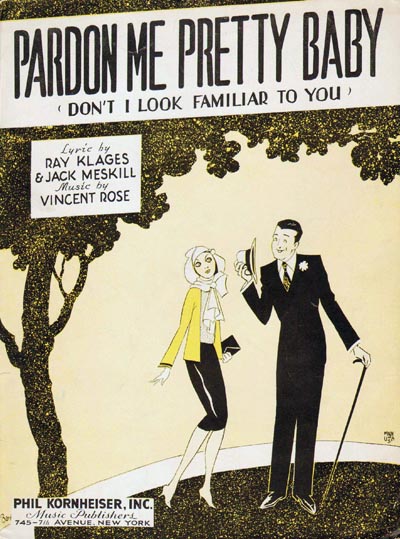
“Pardon Me, Pretty Baby.” Words by Ray Klages and Jack Meskill, music by Vincent Rose. Recorded by Elsie Carlisle under the musical direction of Jay Wilbur in August 1931. Imperial 2532 mx. 5769-2.
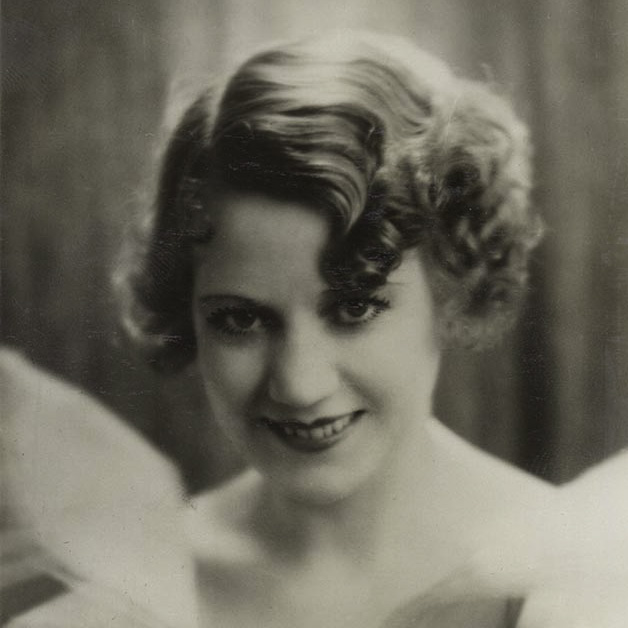
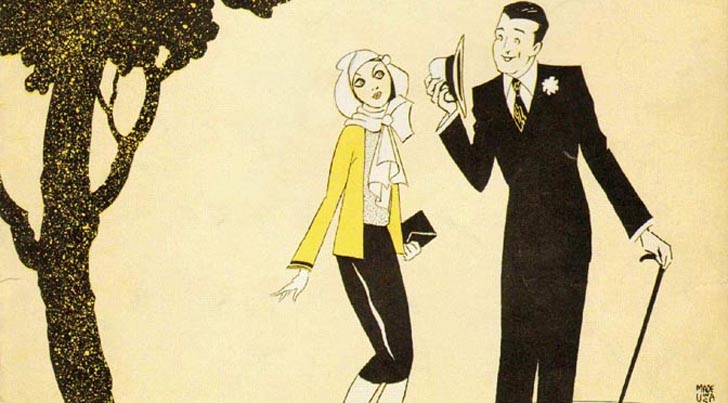
Elsie Carlisle recorded this version of the popular “Pardon Me, Pretty Baby” for the Imperial label in August 1931 under the musical direction of Jay Wilbur. It is a light song with a chatty patter representing a persistent but inept attempt at a pickup. The tune is catchy, but a trifle repetitive. Elsie makes the song exciting by alternating between playful singing and exaggerated conversational interjections, a technique which reminds one that she was a veteran of musical theater.
In 1931 there were many treatments of “Pardon Me, Pretty Baby” on both sides of the Atlantic. In America, they include those of Joe Venuti’s Blue Four, Rudy Vallée and His Connecticut Yankees, Fred Rich and His Orchestra, Benny Goodman, Frank Novak’s Collegians, Ben Bernie and His Orchestra, “Whispering” Jack Smith, Sam Lanin’s Ipana Troubadours, and Gus Arnheim’s Cocoanut Grove Orchestra.
The song was equally popular in Britain, with versions by Jack Payne (with a vocal trio including Billy Scott-Coomber), Ambrose (with two takes on June 19, 1931 — both with Sam Browne as vocalist — one take as Ambrose and His Orchestra and the other as the Blue Lyres), Jack Harris and His Grosvenor House Band (vocalist Harry Bentley), Maurice Winnick and His Band (“Topical Tunes,” with Al Bowlly on the vocals), the Arcadians Dance Orchestra (Bert and John Firman, with a vocal trio including Maurice Elwin), Harry Hudson (Sam Browne, vocalist), the Rhythmic Eight, Eddie Gross-Bart and His Café Anglais Band, Arthur Lally (credited as Al Dollar and His Ten Cents, with Sam Browne as vocalist), Jan Ralfini and His Band (with Tom Barratt as vocalist), Harry Bidgood’s Broadcasters (Tom Barrat, vocalist), Jay Wilbur and His Band (as the Radio Syncopators, with Les Allen singing), and Howard Godfrey’s Aldwych Players (also with Les Allen as vocalist). Betty Warren was notable in her live renditions of the song in Lawrence Wright’s Blackpool North Pier production “On with the Show” (1931).
The composer of “Pardon Me, Pretty Baby,” Vincent Rose, also wrote “Umbrella Man,” which Elsie Carlisle recorded in 1939.