Ray Noble

“Cavalcade” (1931)

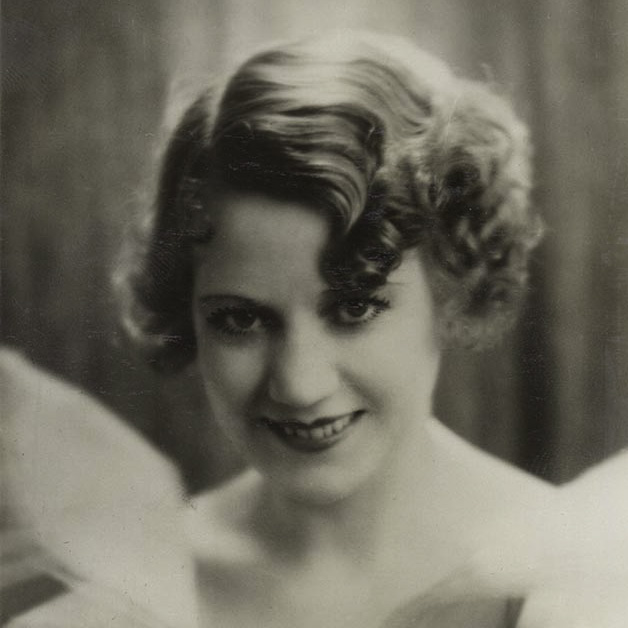
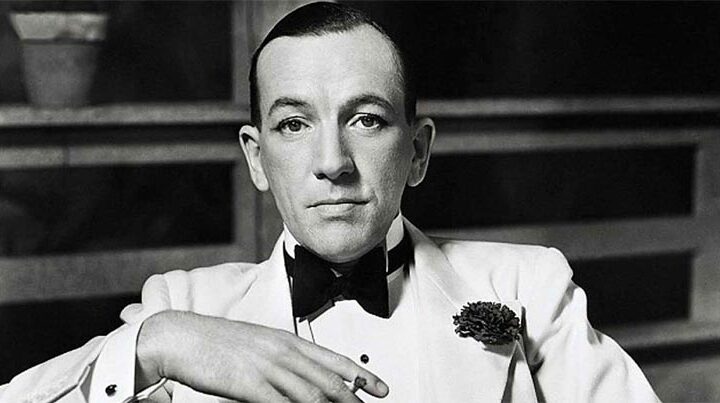
“Cavalcade.” Composed by various artists, including Noël Coward. Recorded under the direction of Ray Noble (uncredited) in London on November 24, 1931, with narration by Henry Oscar and with uncredited soloists (including Elsie Carlisle), full chorus, orchestra, and organ. HMV C-2330, matrices 2B-1546-2 and 2B-1547-1. “Cavalcade (32 Years of England)” is derived from a stage …
Solo Recordings, Spike Hughes

“Hangin’ On to That Man” (1931, 1932)

The dark and moody song “Hangin’ On to That Man” has music written by Russian-born composer Josef Myerow, who later as Joe Myrow would compose the popular “You Make Me Feel So Young” (1946). “Hangin’ On to That Man” is recognizably a torch song, insofar as it involves a woman describing how she keeps loving …

Solo Recordings

“Making Conversation” (1933)

“Making Conversation.” Words by Fred Ritz and Harry Carlton, music by Harry Carlton (1933). Recorded by Elsie Carlisle with orchestral accompaniment in London c. November 8, 1933. Decca F-3737 mx. GB-6298-2.  “Making Conversation” is sometimes known by the longer title “Just Making Conversation (When We Ought To Be Making Love).” The composer, Harry Carlton, was …

Solo Recordings

“Come Up and See Me Sometime” (1933)

“Come Up and See Me Sometime.” Words by Arthur Swanstrom, music by Louis Alter; composed for the motion picture Take a Chance (1933). Recorded by Elsie Carlisle with orchestral accompaniment in London on November 8, 1933. Decca F-3737 mx. GB-6297-2. “Come Up and See Me Sometime” was written by Arthur Swanstrom and Louis Alter for Paramount’s …

Jay Wilbur

“Dada, Dada” (1928 & 1930)

“Dada, Dada (D-d-d-d-d-d-d-d-da-da)” is a “stuttering song,” a song in which the performer either pretends to stutter or plays around with words that naturally sound a bit like stammering (in the present instance, a young woman’s call to her father — “Dada!  Dada!” — serves the purpose).  One might think that, in imitating a speech impediment, …

Carroll Gibbons

“Baby” (1927)

“Baby.” Words by Raymond W. Peck and music by Percy Wenrich (1922); featured in the Broadway musical Castles in the Air (1926). Recorded by Elsie Carlisle, accompanied by Carroll Gibbons and an unidentified violinist, on May 6, 1927. HMV B-2489 mx. Bb-10514-5. “Baby (Fox-trot Lullaby)” was written in 1922 but was most prominently featured four …